
AI voice automation can easily help unlock efficiency and will scale, but it’s only helpful when deployed responsibly and in accordance with U.S. regulations. Botphonic complies with federal and state compliance frameworks that apply to AI-powered voice systems and what businesses other businesses should consider before launching it fully.
Aligned with U.S. regulatory frameworks
Consent-first AI voice architecture
Audit-ready call logs and reporting
Yes, AI voice automation is legal in the United States, but only when it complies with all the applicable federal and state regulations such as the TCPA, FCC rules, and even other sector specific laws like HIPAA. AI legality is not just about the technology but how it is being used via industries.
These rules clarify that businesses should add an AI voice system that revolves around compliance from the start not just as an afterthought.
The IVR was good for consumers who existed decades ago, but by 2026 it is a liability. The problem with these systems is listening to “press 1, press 2” friction is the one that drives callers away, high abandonment rates before it gets to resolution, declines CSAT and NPS, and most importantly after-hours calls are going unanswered.
| Regulation | Applies To | Why It Matters |
|---|---|---|
|
TCPA
|
Outbound & automated calls | Defines consent requirements and penalties |
|
FCC Rules
|
Robocalls & voice practices | Governs call legality and disclosures |
|
HIPAA
|
Healthcare communications | Protects patient health information (PHI) |
|
State Laws
|
CA, NY, FL, and others | Adds stricter local enforcement |
Together, these regulations form the backbone of AI voice compliance in the U.S.
TheTelephone Consumer Protection Act (TCPA) is one of the most critical regulations that’s affecting AI voice automation in the U.S. TCPA effectively governs automated and prerecorded voice calls, AI-generated voice messages, and also calls that are made using autodialing technology.
The federal communications commission enforces rules that directly impacts AI voice calling practices. It has separate regulatory obligations that are designed to limit unwanted calls, and enhance transparency while curbing illegal practices.
STIR/SHAKEN : STIR/SHAKEN frameworks help verify caller identity and reduce spoofing, while it’s not exclusive to AI calls, they are increasingly relevant for automated voice systems operating at scale.
When AI voice systems are used in healthcare settings, the Health Insurance Portability and Accountability Act (HIPAA) governs how protected health information (PHI) must be managed, it applies to covered entities, such as healthcare providers, plans, clearing houses and even business associates that manages PHU on their behalf. HIPAA-covered AI voice use cases include appointment reminders, patient follow-ups, care coordination calls.
Effective consent management is one of the cross-cutting requirements under TCPA, FCC rules, and other broader privacy best practices. It works by clearly recording how and when users opted in, including the language used, contact details, timestamp, and method.
With robust consent management, even well-designed AI systems can fall out of compliance.
Discover how Botphonic AI automation has helped businesses across industries achieve measurable success.
Understand the benefits that AI voice assistants are offering while staying legally compliant, audit-ready, and also enhancing customer trust across the U.S.
Botphonic is designed with consent-first call flows that help ensure AI voice calls are initiated only when proper consent is present.
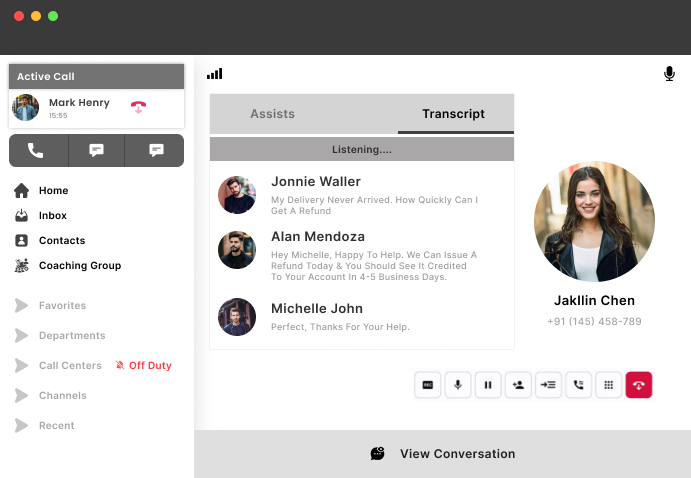
We enable configurable disclosures so businesses can inform all the call recipients about AI use, call recording, and caller identity based on applicable regulatory requirements.
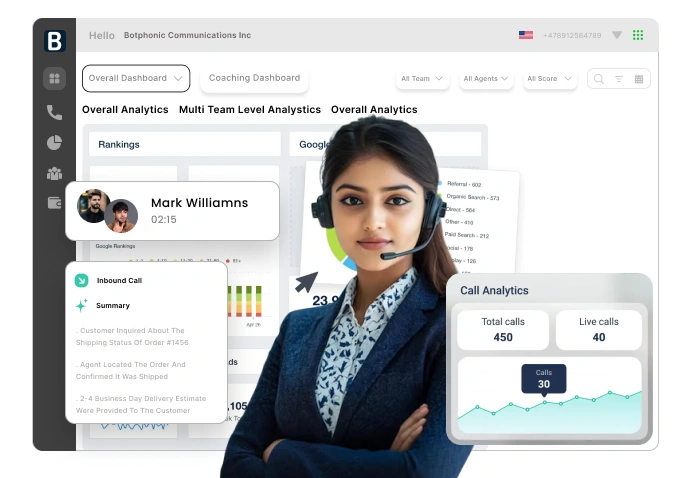
We provide detailed call logs and audit exports that helps organizations document call activity, consent status, disclosures, and opt-out actions for internal reviews.
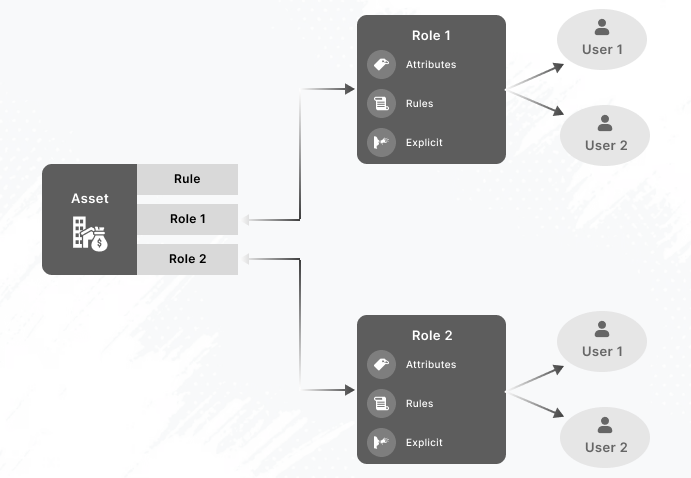
Botphonic supports role-based permissions to limit access to call data and system controls, helping organizations align with data privacy and security.
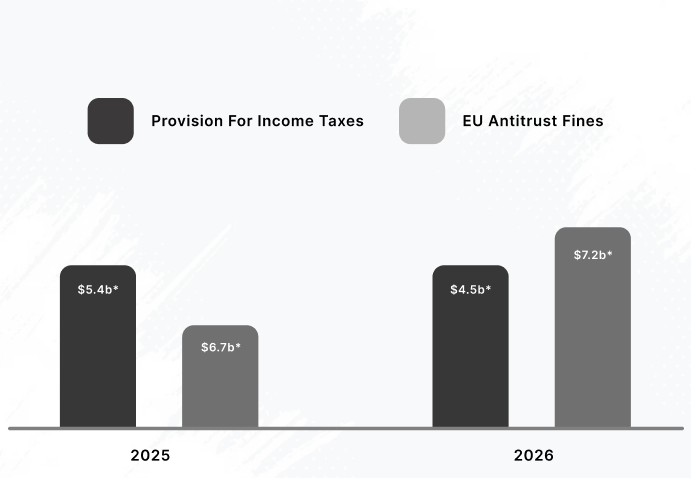
Botphonic offers campaign-level compliance rules that allows teams to apply calling restrictions, consent checks, and disclosure settings at the campaign level to reduce compliance risk at scale.

| Compliance Mistake | Why It’s a Risk | Potential Impact |
|---|---|---|
|
Assuming AI calls are exempt
|
AI-generated and automated voice calls are subject to TCPA and FCC rules just like traditional robocalls | TCPA violations, statutory fines, litigation risk |
|
Ignoring state-level rules
|
Many states impose stricter consent, disclosure, or recording requirements beyond federal law | Non-compliance in specific states, enforcement actions |
|
Missing opt-out handling
|
Failure to process opt-outs promptly violates TCPA and FCC requirements | Repeated unlawful calls, increased penalties |
|
Lack of call logs
|
Without call logs, businesses cannot prove consent, disclosures, or compliance actions | Weak legal defense, audit failures |
|
Using AI voices without disclosure
|
Regulators increasingly expect disclosure of AI use and call purpose | Consumer complaints, regulatory scrutiny |
We offer seamless interaction with your CRM, telephony, and automation tools, making it easy for you to sync customer data and streamline operations.
See all integrationsYes, AI calling is legal in the U.S. when it complies with federal and state regulations such as TCPA, FCC rules, and other industry-specific laws like HIPAA. Initially, legality depends on how the AI voice system is used and whether consent and disclosure requirements are met.
Most AI calls require prior consent. Telemarketing AI calls typically require prior express written consent, while informational or service-related calls might require standard prior express consent.
Yes, TCPA applies to AI voice agents when they use automated dialing systems or artificial or pre-recorded voices, including AI-generated speech.
In many cases, yes. AI-generated voices are generally treated as artificial voices under FCC rules and may even be classified as robocalls depending on how the call is initiated and delivered.
HIPAA applies when AI voice systems manage protected health information. These systems should follow HIPAA privacy and security safeguards, limit data access, and protect patient information during calls.
Yes, BPOs and multi-client environments require tenant-level compliance separation, client-specific consent management, and independent audit logs to prevent data crossover and support regulatory audits.
Yes, AI calls can be recorded legally when applicable federal and state recording consent laws are followed. Recording usually requires disclosure and some states require consent from all parties on the call.
AI does not inherently increase compliance risk but improper implementation can. Risk usually depends on consent management, disclosures, data handling, and adherence to applicable regulations.
Stop thinking and see AI appointment booking in action
Book a DemoSign up for updates and tips to optimize your AI calls.
Collaborate with us to expand reach and maximize impact. Fill the form below: